A home inspection is one of the few steps in the homebuying process that works entirely in your favor. While most of what happens during a real estate transaction involves negotiation, paperwork, and competing interests, the inspection is purely about information. It’s a professional, objective look at the condition of one of the most significant purchases most people will ever make, and understanding what it actually covers and what it doesn’t makes you a much better-informed homeowner or buyer.
What a Home Inspection Covers
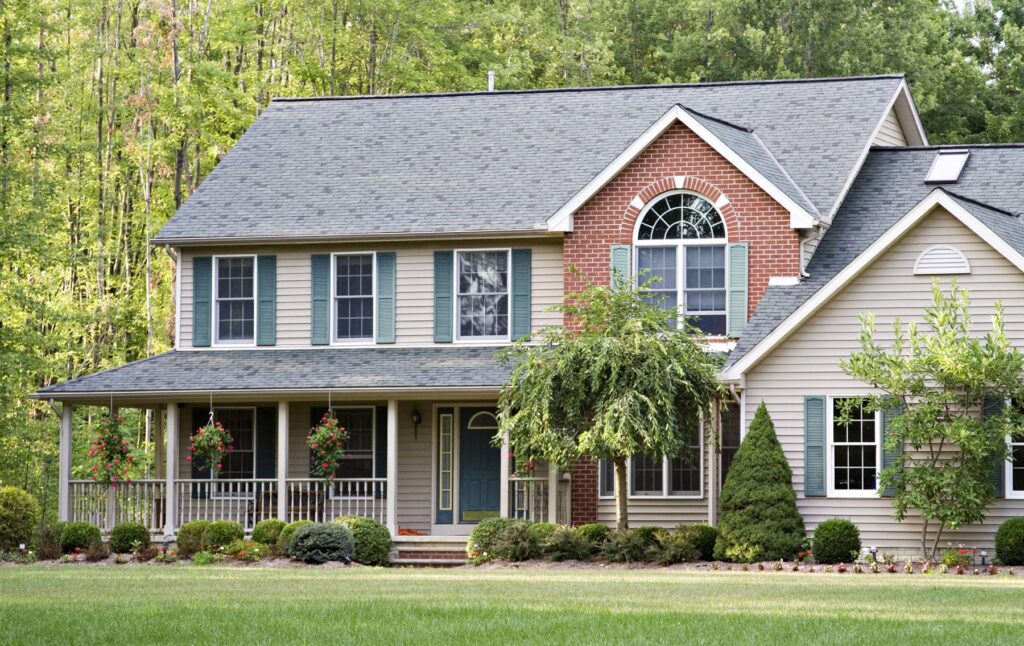
A home inspection is a thorough visual evaluation of a property’s major systems and structural components. That includes the roof, attic, foundation, basement or crawl space, exterior walls, windows and doors, electrical system, plumbing, heating and cooling equipment, insulation, and interior living spaces. The inspector works through the home methodically, documenting what they observe with photos and written findings.
The scope is intentionally broad. The goal isn’t to zoom in on one specific area but to give a comprehensive picture of the home’s overall condition. A good inspector understands how systems interact. A ventilation problem in the attic, for instance, can contribute to moisture issues that affect insulation, sheathing, and eventually the living space below. Seeing the whole picture matters.
What a Home Inspection Does Not Cover
Understanding the limits of a home inspection is just as important as knowing what it includes. An inspection is visual and non-invasive. The inspector won’t open walls, move furniture, or dismantle components. Areas that are inaccessible, blocked, or concealed simply can’t be evaluated. This is normal and expected, and a good inspector will clearly note anything that couldn’t be accessed.
A standard home inspection also doesn’t typically include specialized testing like radon, mold, water quality, or sewer scope. Those are separate services worth discussing when scheduling. And while an inspector documents the current condition of the home, they’re not predicting the future. A water heater that’s functioning today but approaching the end of its expected lifespan will be noted, but there’s no crystal ball involved.
How to Get the Most Out of a Home Inspection
Showing up for your home inspection is one of the best decisions you can make. Walking through the property alongside the inspector gives you context that a written report alone can’t fully convey. You can ask questions in real time, understand the difference between a minor maintenance note and a genuine safety concern, and leave with a clearer mental map of the home.
Come prepared with questions. If you’ve already walked the property and noticed anything, such as a stain on a ceiling, a window that doesn’t open smoothly, or an odd smell in the basement, mention it at the start. Inspectors appreciate a heads-up, and it ensures nothing of concern to you gets overlooked.
Reading the Inspection Report
A home inspection report can run anywhere from 20 to 80 pages depending on the size and condition of the home. At first glance that can feel overwhelming, but most reports are organized logically by system or area and use photos alongside descriptions to make findings easy to follow.
Not every finding carries equal weight. A report might flag a missing downspout extension alongside a deteriorating electrical panel, and those are very different levels of urgency. Read the full report, but pay particular attention to anything described as a safety concern, a system failure, or something requiring evaluation by a licensed professional. Those are the items worth prioritizing in any negotiation or repair plan.
Home Inspections Are Not Just for Buyers
Sellers who schedule a pre-listing home inspection before putting their home on the market gain a real advantage. Finding issues before buyers do means having the opportunity to fix them, price accordingly, or simply disclose them upfront, all of which leads to smoother transactions and fewer surprises at the closing table.
Current homeowners who have no immediate plans to sell also benefit from periodic inspections. Homes in Middle Tennessee, like anywhere, are subject to seasonal stress including temperature swings, humidity, and storms. Catching small issues before they become large ones is exactly the kind of proactive care that protects long-term value.
Frequently Asked Questions
How long does a home inspection take? Most home inspections take two to four hours, though larger or older homes may take longer. Plan to be present for the whole thing if possible.
When in the buying process should I schedule a home inspection? Typically after an offer is accepted, during the due diligence or option period specified in your contract. This window exists specifically to allow for inspections and negotiations based on findings.
What if the inspection turns up major issues? Major findings give you options. You can negotiate repairs or price reductions, request that issues be fixed before closing, or in some cases walk away if the contract allows. The inspection report is a tool, not a verdict.
Does a home inspection affect the appraisal? No. A home inspection and an appraisal are entirely separate processes. The inspection assesses condition while the appraisal establishes market value. They’re often both required but serve different purposes.
How do I choose a qualified home inspector? Look for certification through a recognized organization like InterNACHI, confirm the inspector carries errors and omissions insurance, and read reviews. A good inspector will be happy to answer questions about their process before you book.
When you understand what a home inspection is really doing for you, it stops feeling like a box to check and starts feeling like the valuable investment it truly is. Schedule yours with Gilles Home Inspections and walk away with the clarity you deserve.